
My Cat Hasn’t Eaten in 2 Days — When Is It an Emergency?
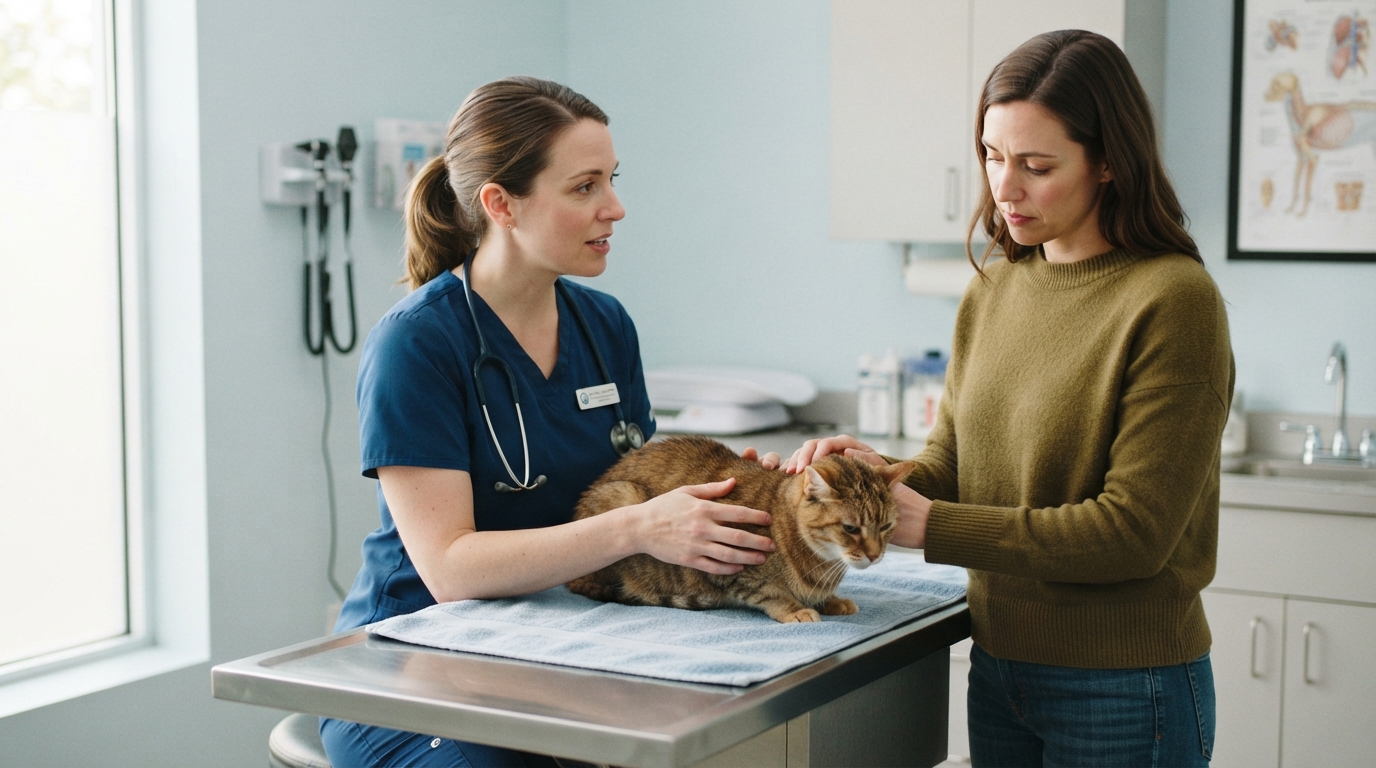
Cats are renowned for being finicky eaters, and most owners have experienced the frustration of a cat suddenly turning up its nose at a previously beloved food. But there is a crucial difference between a cat being choosy and a cat that has genuinely stopped eating — and the medical consequences of the latter can be serious, even life-threatening, surprisingly quickly.
Why Cats Cannot Go Long Without Eating
Unlike dogs — and unlike humans — cats have a unique metabolic vulnerability when they stop eating. When caloric intake drops, the cat’s body begins mobilizing fat reserves for energy. Fat is transported to the liver for processing, but cats have a limited capacity to metabolize large amounts of fat at once. The result is a buildup of fat within liver cells — a condition called hepatic lipidosis, or fatty liver disease.
Hepatic lipidosis can develop in as little as 48–72 hours of significant caloric restriction, particularly in overweight cats. Without treatment, it leads to liver failure. Paradoxically, the heavier the cat, the more fat reserves they have to mobilize — making overweight cats particularly susceptible.
This is why a cat that has not eaten for 48 hours is not simply “being difficult.” It is a medical concern that warrants veterinary attention.
Common Reasons Cats Stop Eating
A loss of appetite (anorexia) in cats is a symptom, not a diagnosis. It can signal a very wide range of underlying conditions:
Gastrointestinal causes:
- Nausea (from any cause)
- Gastrointestinal obstruction (ingested foreign body)
- Inflammatory bowel disease (IBD)
- Pancreatitis
- Constipation
Systemic illness:
- Kidney disease (very common in older cats) — a clinical area of focus for our Internal Medicine specialist, Dr. Emily Purswell, DACVIM
- Diabetes mellitus
- Liver disease
- Infection or fever
- Cancer
Pain:
- Dental disease — one of the most underdiagnosed causes of appetite loss in cats
- Arthritis
- Any source of significant pain
Environmental and behavioral causes:
- Recent change in food or food bowl
- Household changes (new pet, new person, move)
- Stress
- Medication side effects
The only way to determine the cause is a veterinary examination and appropriate diagnostics.
How Long Can a Cat Go Without Eating?
The answer depends significantly on the individual cat’s body condition and overall health:
- A healthy cat with normal body weight: may tolerate 24–48 hours before meaningful metabolic consequences begin
- An overweight cat: at risk of hepatic lipidosis as early as 48–72 hours
- A cat with pre-existing kidney, liver, or other systemic disease: less metabolic reserve; 24 hours without eating warrants prompt evaluation
- A kitten: no more than 12–24 hours without eating before significant hypoglycemia risk
As a general guideline: if your adult cat has not eaten voluntarily in 48 hours, contact your veterinarian. If your cat has not eaten in 24 hours AND is showing other symptoms — lethargy, vomiting, hiding, weight loss — seek veterinary care promptly.
What Are the Signs of Hepatic Lipidosis?
Hepatic lipidosis develops quietly and can be hard to recognize until it is advanced. Warning signs include:
- Profound lethargy
- Continued or worsening refusal to eat
- Vomiting
- Weight loss
- Jaundice — a yellow tint to the whites of the eyes, skin of the ear flaps, or gums
- Drooling
- Neurological signs in advanced cases (head pressing, seizures)
Jaundice in a cat is always a significant finding that warrants emergency evaluation.
How Is Hepatic Lipidosis Treated?
Treatment centers on nutritional support. Cats with hepatic lipidosis typically require placement of a feeding tube — most commonly an esophagostomy tube (E-tube) — to deliver adequate calories directly to the digestive system. Nutritional support must be carefully reintroduced to avoid refeeding syndrome.
Supporting liver function, treating any concurrent illness, managing nausea, and providing IV fluid support are all important components of treatment. Hospitalization is typically required for the initial phase, with at-home tube feeding continuing for several weeks in many cases. With appropriate treatment, the prognosis for hepatic lipidosis is reasonably good — most cats recover full liver function — but treatment must begin before the disease progresses too far.
When to Go to the Emergency Vet
Seek emergency veterinary care if your cat has not eaten for 48 hours, is showing any signs of jaundice (yellow tinge to eyes, ears, or gums), is vomiting repeatedly, appears lethargic or hidden, or has lost significant weight rapidly.
North Springs Veterinary Emergency & Specialty Center’s emergency team is available 24/7 for cats with loss of appetite and all associated conditions. Our Internal Medicine specialist Dr. Emily Purswell, DACVIM, is available Monday through Friday for complex cases involving kidney disease, GI disease, and liver conditions. Come to Come to 10520 White Diamond Pt, Colorado Springs, CO or call (719) 920-4430.
Sources and Further Reading
- Armstrong PJ, Blanchard G. “Hepatic lipidosis in cats.” Veterinary Clinics of North America: Small Animal Practice. 2009;39(3):599–616.
- Center SA. “Feline hepatic lipidosis.” Veterinary Clinics of North America: Small Animal Practice. 2005;35(1):225–269.
- Fascetti AJ, et al. “Hyperthyroidism in cats: 10 years of experience.” JAVMA. 1994;205(6):824–827.
- Sparkes AH, et al. “ISFM consensus guidelines on the diagnosis and management of feline chronic kidney disease.” Journal of Feline Medicine and Surgery. 2016;18(3):219–239.
- Cornell Feline Health Center. “Feline Hepatic Lipidosis (Fatty Liver Disease).” Cornell University College of Veterinary Medicine.
This article is written for educational purposes and does not constitute veterinary medical advice. If your pet is experiencing a medical emergency, seek immediate veterinary care.