
Bulldog or Frenchie Breathing Problems: Emergency Signs | North Springs
QUICK ANSWER
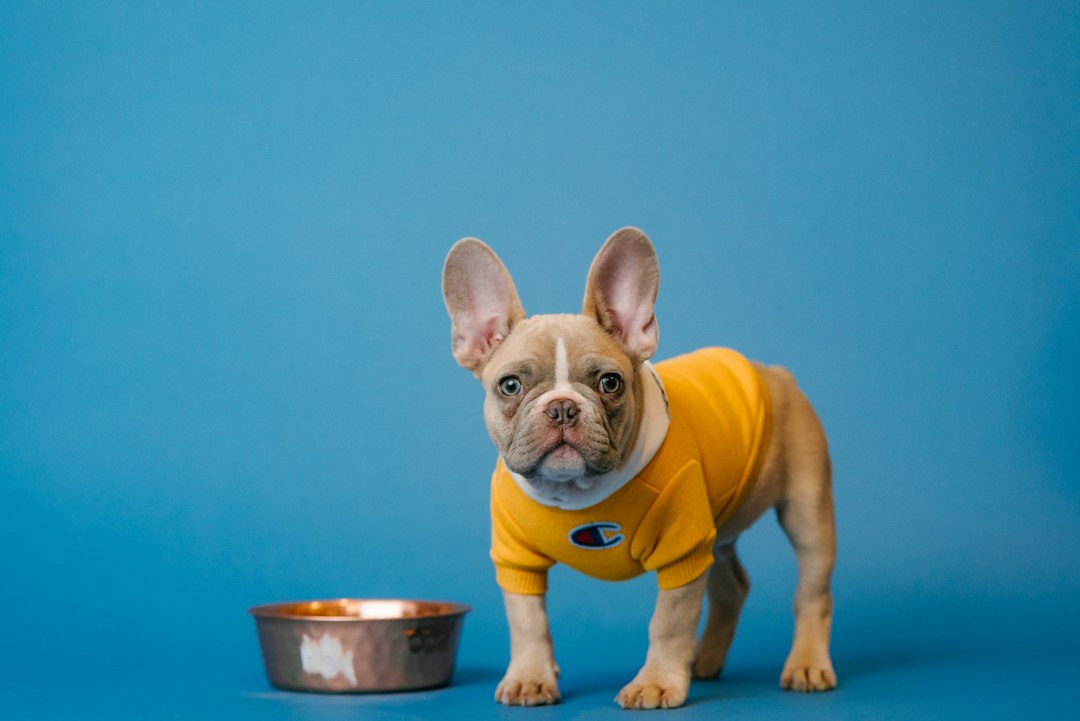
Flat-faced breeds such as French Bulldogs, English Bulldogs, and Pugs often have brachycephalic obstructive airway syndrome (BOAS). It becomes an emergency if your dog has blue or purple gums, collapses, breathes with extreme effort, can’t settle, or overheats. Keep the dog cool and calm and go to an emergency hospital. Corrective airway surgery can greatly improve breathing long term.
Many owners of Bulldogs, French Bulldogs, and Pugs are told that snoring and snorting are just “part of the breed.” In reality, those noises are the sound of air fighting through a narrowed airway. On a hot day, after exercise, or during excitement, that fight can turn into a genuine breathing crisis. I want owners of these wonderful dogs to know which signs mean an emergency, and that effective help exists.
What Is Brachycephalic Obstructive Airway Syndrome (BOAS)?
Brachycephalic breeds have been selected for short, flat faces, but the soft tissues of the nose and throat didn’t shrink along with the skull. The result is a crowded airway made up of several problems that often occur together:
- Stenotic nares: narrow, pinched nostrils
- Elongated soft palate: tissue that hangs into the throat and partially blocks the airway
- Everted laryngeal saccules: small pockets of tissue pulled into the airway by chronic effort
- Hypoplastic trachea: a windpipe that is narrower than normal
- Laryngeal collapse: in advanced cases, the cartilage of the voice box weakens and gives way
What Are the Everyday Signs of BOAS?
- Loud snoring, snorting, or stertor while awake
- Noisy breathing with exercise or excitement
- Poor exercise tolerance and needing frequent breaks
- Sleeping sitting up or with the chin propped on a toy
- Regurgitation, gagging, or vomiting, since airway effort affects the esophagus and stomach
- Overheating easily
When Is a Breathing Problem an Emergency?
Come to the ER immediately if your dog shows any of these:
- Blue, purple, or gray gums or tongue
- Collapse or fainting
- Extreme effort to breathe, with the neck extended and elbows held out
- High-pitched, squeaky, or harsh breathing that doesn’t settle with rest
- Panicked behavior or inability to lie down
- Signs of heat stroke: heavy panting, drooling, vomiting, or weakness
On the way, keep your dog as calm as possible, run the air conditioning, and don’t cover the face or muzzle. Stress and heat both make airway swelling worse, which makes breathing harder, which increases stress: a cycle we need to break quickly. If you’re unsure whether what you’re seeing is truly urgent, our guide on recognizing when breathing trouble crosses into a real airway emergency can help you decide.
How Is a BOAS Breathing Crisis Treated?
At North Springs, dogs in respiratory distress go straight to treatment. Our emergency team provides high-flow oxygen therapy, gentle sedation to break the panic cycle, cooling for dogs that are overheated, and anti-inflammatory medication to reduce airway swelling. Pulse oximetry and blood work help us track oxygen levels. In the most severe cases, a dog may need to be anesthetized and intubated to secure the airway, with a dedicated technician monitoring vital signs.
Once stable, dogs are monitored in our ICU. Chest radiographs help rule out aspiration pneumonia, which is a common complication in brachycephalic dogs that regurgitate or vomit during a crisis. Our 24/7 emergency services are equipped to handle these situations at any hour.
Can Surgery Help Brachycephalic Dogs Breathe?
Yes. Brachycephalic airway surgery is listed among North Springs’ head and neck surgical services. Surgery typically widens the nostrils, shortens the elongated soft palate, and removes everted saccules when present. Many dogs breathe, sleep, and exercise noticeably better afterward, and treating airway obstruction earlier in life, before secondary changes like laryngeal collapse develop, tends to produce better outcomes. Our veterinary surgery team can evaluate your dog and discuss whether they’re a good candidate.
How Can I Keep My Flat-Faced Dog Safe?
- Avoid exercise during warm parts of the day, even in Colorado’s dry climate
- Use a harness instead of a collar to reduce pressure on the airway
- Keep your dog at a lean body weight, since extra fat narrows the airway further
- Plan ahead for travel, boarding, and anesthesia, and tell every provider your dog is brachycephalic
Key Takeaways
- Snoring and snorting in flat-faced dogs are signs of a narrowed airway, not normal breathing.
- Blue gums, collapse, or extreme breathing effort are emergencies.
- Heat and stress rapidly worsen BOAS; keep dogs cool and calm.
- North Springs offers high-flow oxygen therapy and 24/7 ICU care.
- Brachycephalic airway surgery at North Springs can improve long-term breathing.
Frequently Asked Questions
Is it normal for French Bulldogs to breathe loudly?
It’s common, but not normal. Loud breathing reflects airway obstruction, and a veterinarian can assess whether surgical correction would help.
How much does BOAS surgery improve breathing?
Many dogs show substantial improvement in breathing noise, exercise tolerance, and sleep, particularly when surgery is performed before advanced secondary changes develop.
At what age should BOAS surgery be done?
Many dogs are evaluated as young adults, and correction is sometimes combined with a spay or neuter. Your surgeon will recommend timing based on severity.
Does North Springs have oxygen therapy for dogs?
Yes. High-flow oxygen therapy is part of North Springs’ 24/7 emergency services. You can learn more about what to do in the first minutes of a pet emergency in Colorado Springs so you’re prepared before a crisis happens.
Breathing Emergencies and BOAS Surgery at North Springs
If your flat-faced dog is struggling to breathe, come directly to North Springs Veterinary Emergency & Specialty Center at 10520 White Diamond Pt, Colorado Springs, CO 80908. We’re open 24/7/365 and can be reached at (719) 920-4430. For non-urgent surgical consultations about brachycephalic airway surgery, email surgery@northspringsvrc.com.
Sources
1\. Packer RMA, Hendricks A, Tivers MS, Burn CC. “Impact of Facial Conformation on Canine Health: Brachycephalic Obstructive Airway Syndrome.” PLoS One. 2015;10(10):e0137496.
2\. Liu NC, Oechtering GU, Adams VJ, et al. “Outcomes and prognostic factors of surgical treatments for brachycephalic obstructive airway syndrome in 3 breeds.” Veterinary Surgery. 2017;46(2):271–280.
3\. Riecks TW, Birchard SJ, Stephens JA. “Surgical correction of brachycephalic syndrome in dogs: 62 cases (1991–2004).” Journal of the American Veterinary Medical Association. 2007;230(9):1324–1328.
4\. American College of Veterinary Surgeons. “Brachycephalic Syndrome.” acvs.org, Small Animal Health Conditions.
5\. Merck Veterinary Manual. “Brachycephalic Airway Syndrome in Dogs.” merckvetmanual.com.