
Antifreeze Poisoning: Why This Is the Poisoning Emergency We Take Most Seriously
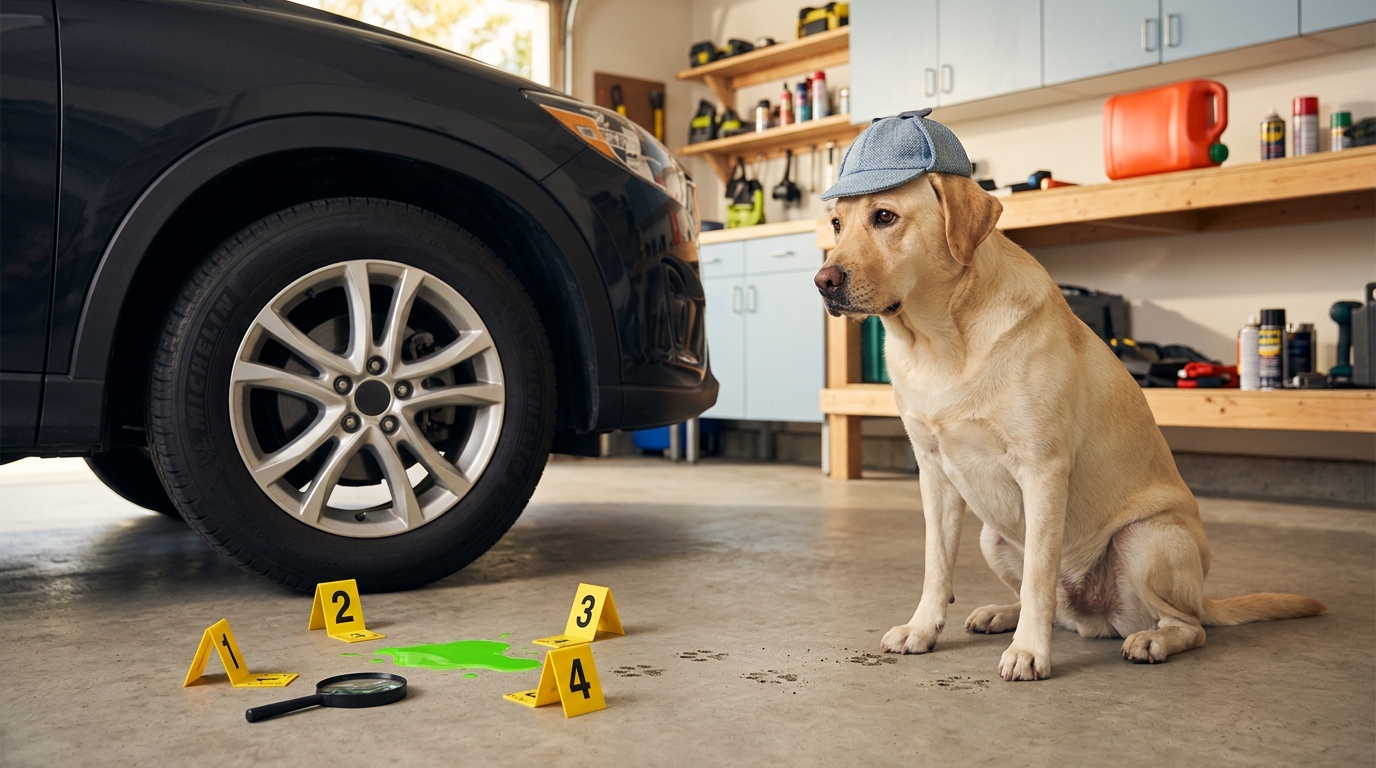
Of all the toxins we treat, antifreeze poisoning is the one where the phrase “every minute counts” is least exaggerated. Ethylene glycol, the primary ingredient in most antifreeze, is sweet-tasting to pets and devastating to their kidneys — and the treatment window that gives a pet the best chance of survival is measured in hours, not days.
A Small Amount Goes a Long Way
It doesn’t take much. As little as one to two teaspoons can be a lethal dose for a cat, and a few tablespoons can be lethal for a mid-sized dog. Beyond radiator antifreeze, ethylene glycol shows up in some brake fluids, solar collector fluid, and even certain snow globes, so exposure isn’t limited to the garage. Its sweet taste means pets will readily lap up spills that a bitter-tasting toxin might otherwise deter them from.
The Three Stages of Poisoning
In the first 0 to 12 hours, affected pets often act almost drunk — stumbling, uncoordinated, drooling, vomiting, and drinking and urinating more than usual. Between about 12 and 24 hours, something deceptive happens: many pets appear to improve, seeming nearly normal even though the toxin is actively being converted into more damaging compounds inside their body. Then, roughly 24 to 72 hours after ingestion in dogs (often faster, 12 to 24 hours, in cats), severe kidney failure sets in, with lethargy, loss of appetite, vomiting, and in severe cases, seizures.
Why the ‘Better’ Phase Is the Most Dangerous
That deceptive middle stage is exactly why so many antifreeze poisonings turn tragic — an owner who sees their pet acting more normal after a scary initial episode may reasonably assume the worst has passed and delay seeking care. In reality, this is often the last opportunity to intervene before irreversible kidney damage occurs. If you know or even suspect your pet has been exposed to antifreeze, treat it as an emergency regardless of how they’re behaving in the moment.
Treatment Is a Race Against Metabolism
The antidote works by blocking the enzyme that converts ethylene glycol into its toxic byproducts, so it only works if given before that conversion has largely occurred — ideally within a few hours of exposure, and the sooner the better. We can run bloodwork to check for ethylene glycol directly, alongside monitoring kidney values and acid-base status. Treatment includes the antidote (fomepizole or, in some cases, an ethanol protocol), aggressive IV fluids to support the kidneys, and close monitoring of urine output over several days of hospitalization.
Why Prognosis Depends Entirely on Timing
A pet treated within the first few hours of exposure, before kidney damage has set in, has a genuinely good chance of full recovery. A pet who doesn’t receive treatment until kidney failure has already developed faces a far more guarded prognosis, sometimes requiring dialysis where available, and sometimes with damage severe enough to be unsurvivable. This is, unfortunately, one of the clearest examples in veterinary medicine of how much timing alone determines outcome.
Preventing Exposure at Home
Store antifreeze in tightly sealed, clearly labeled containers well out of reach, clean up any garage or driveway spills immediately and thoroughly, and consider switching to a propylene glycol–based antifreeze, which is significantly less toxic if ingested. If you ever suspect your pet has had any contact with antifreeze — even a small amount, even without symptoms yet — call us immediately rather than waiting to see if signs develop.
When Every Minute Counts
North Springs Veterinary Emergency & Specialty Center is open 24 hours a day, 7 days a week, 365 days a year. No appointment is ever needed for an emergency — walk in any time, day or night. Our team works alongside in-house specialists in surgery, internal medicine, cardiology, and radiology, so your pet can move seamlessly from emergency stabilization to specialty care under one roof.
North Springs Veterinary Emergency & Specialty Center
10520 White Diamond Pt, Colorado Springs, CO 80908
Phone: (719) 920-4430
northspringsvrc.com
Sources
- Ethylene Glycol (Antifreeze) Poisoning — MSD Veterinary Manual. https://www.msdvetmanual.com/special-pet-topics/poisoning/ethylene-glycol-antifreeze-poisoning
- Ethylene Glycol Toxicosis in Animals — Merck Veterinary Manual. https://www.merckvetmanual.com/toxicology/ethylene-glycol-toxicosis/ethylene-glycol-toxicosis-in-animals
- Ethylene Glycol and Antifreeze Poisoning in Pets — ASPCApro. https://www.aspcapro.org/resource/ethylene-glycol-and-antifreeze-poisoning-pets
- Antifreeze Toxicity — Northeast Indiana Veterinary Emergency & Specialty Hospital. https://www.nives24h.com/articles/antifreeze-toxicity
- Profile of Ethylene Glycol Toxicosis in Dogs & Cats — Clinician’s Brief. https://www.cliniciansbrief.com/column/consultant-call/ethylene-glycol-toxicosis-dogs-cats